

Key Highlights
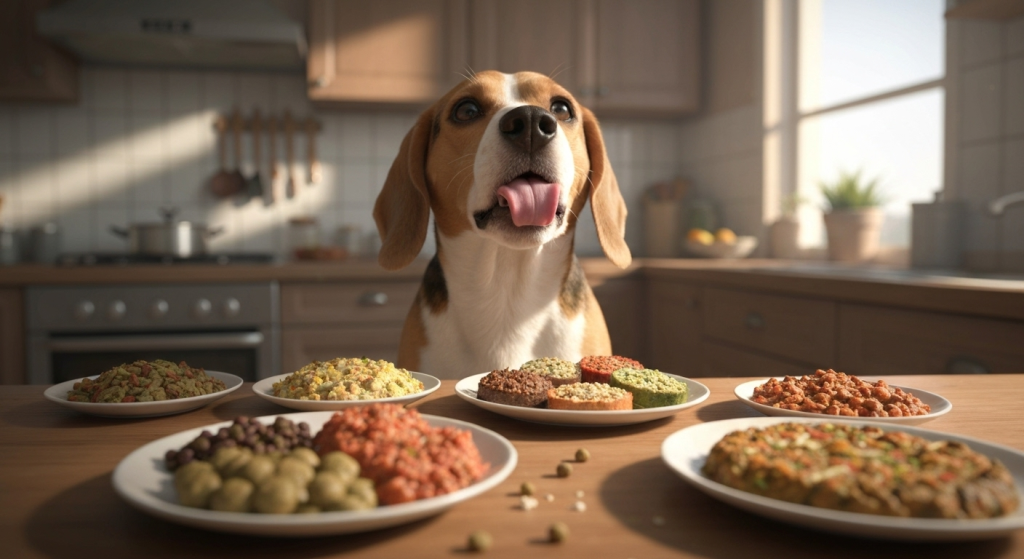
- Discover seven simple and delicious homemade meals recipes your dog will adore.
- Learn how using fresh ingredients like ground turkey and sweet potato can boost your dog’s health.
- Understand the essential nutrients every homemade meal needs to be complete and balanced.
- Get vet-approved tips to ensure your dog’s diet meets all its nutritional requirements.
- Find out which common human foods are dangerous for dogs and must be avoided.
- Master safe preparation, portion control, and storage for fresh homemade meals.
- Explore the health benefits of homemade meals for dogs and how they compare to store-bought options
Introduction
Have you ever wondered exactly what’s in your dog’s food bowl? More dog owners are asking this question and turning to homemade dog food for the answer. Preparing homemade meals for dogs gives you complete control over the ingredients., ensuring your furry companion gets a diet free from fillers and artificial additives. A well-planned homemade recipe can significantly benefit your dog’s health, from improving their coat to boosting their energy levels. This guide will walk you through healthy homemade meals you can cook for your dog.
7 Healthy Homemade Meals for Dogs Your Pup Will Love
Switching to a homemade diet can be one of the best decisions you make for your dog’s food plan. The key is ensuring each meal meets your pup’s specific nutritional needs. Using fresh food not only makes mealtime more exciting but also provides a powerhouse of vitamins and minerals that support overall wellness.
This section offers seven vet-approved recipe ideas that are both delicious and balanced. From recipes featuring ground chicken and sweet potato to fish-based feasts, you’ll find options perfect for any pup, including picky eaters. Let’s get cooking!
1. Chicken & Brown Rice Delight
This classic healthy homemade meal for dogs is a favorite. It’s simple, gentle on the stomach, and packed with essential nutrients. Ground chicken provides lean protein, while brown rice offers digestible carbohydrates for energy. Adding finely chopped carrots and peas boosts the vitamin content.
Making this meal is incredibly easy and quick. Simply cook the ground chicken, boil the brown rice, and steam the vegetables. Once everything is cooked, mix it all together. This recipe is a fantastic starting point if you’re new to making your dog’s food.
- Ingredients: 1 lb ground chicken, 1 cup cooked brown rice, 1/2 cup chopped carrots, 1/2 cup peas.
- Preparation: Cook chicken thoroughly. Combine with cooked rice and steamed vegetables. Let it cool before serving.
2. Turkey and Vegetable Medley
For a lean and veggie-packed option, this turkey and vegetable medley is a perfect choice. Ground turkey is an excellent protein source that’s lower in fat than beef, making it ideal for dogs who need to maintain a healthy weight. Fresh vegetables like green beans and bell pepper add fiber and essential vitamins.
This recipe is especially good for dogs with sensitive stomachs, as turkey is often easier to digest. The colorful mix of veggies also makes it visually appealing for your canine companion. You can prepare a large batch and store it in the refrigerator for several days.
- Ingredients: 1 lb ground turkey, 1 cup chopped green beans, 1/2 cup diced bell pepper, 1/4 cup chopped spinach.
- Preparation: Cook the ground turkey in a pan. Steam the vegetables until tender, then mix everything.
3. Beef & Sweet Potato Stew
A hearty beef and sweet potato stew is one of the most nourishing homemade meals for dogs Ground beef is rich in essential amino acids, which are the building blocks of muscle. Sweet potato is a fantastic source of fiber, vitamins, and antioxidants. A small amount of olive oil can be added to provide healthy fats for a shiny coat.
Using a slow cooker makes this vet-approved recipe incredibly convenient. Just combine the ingredients, set it on low, and let it simmer for a few hours. The slow cooking process makes the beef tender and the flavors meld together beautifully.
- Ingredients: 1 lb lean ground beef, 2 cups cubed sweet potato, 1/2 cup chopped carrots, 1 tablespoon of olive oil.
- Preparation: Brown the ground beef. Add all ingredients to a slow cooker with 2 cups of water and cook on low for 4-6 hours.
4. Fish and Quinoa Feast
Incorporating fish into your dog’s diet provides a fantastic source of omega-3 fatty acids, which support skin, coat, and joint health. Whitefish like cod or tilapia are great options. Pairing it with quinoa, a complete protein, ensures your dog gets all the essential nutrients needed for a balanced meal.
This fresh food feast is particularly beneficial for dogs with certain skin conditions or allergies. To make it even more nutritious, consider adding a teaspoon of cod liver oil for an extra boost of vitamins A and D and fatty acids.
- Ingredients: 1 lb cooked and deboned whitefish (like cod), 1 cup cooked quinoa, 1/2 cup chopped zucchini.
- Preparation: Bake or poach the fish until it flakes easily. Mix the flaked fish with cooked quinoa and steamed zucchini.
5. Lamb & Carrot Mash
Lamb is a novel protein for many dogs, which makes it an excellent choice for pets with common food allergies to chicken or beef. Like many other homemade meals for dogs, this recipe is gentle on sensitive stomachs. This recipe combines ground lamb with carrots, a great source of beta-carotene that supports your dog’s vision and immune system.
Like the beef stew, a slow cooker can simplify the cooking process. You can also mash the carrots after cooking to create a texture that even picky eaters will enjoy. It’s a flavorful and hypoallergenic option that supports overall health from the inside out.
- Ingredients: 1 lb ground lamb, 2 cups chopped carrots, 1/2 cup peas.
- Preparation: Brown the lamb. Add it to a slow cooker with the carrots, peas, and a cup of water. Cook on low for 4 hours, then mash the carrots.
6. Egg & Pumpkin Power Bowl
This power bowl is perfect for a quick, nutritious breakfast or for dogs experiencing an upset stomach. Eggs are a powerhouse of protein, and the egg yolks are rich in essential fatty acids and vitamins. Pumpkin puree is well-known for its ability to regulate digestion, whether your dog is dealing with constipation or diarrhea.
This homemade food is exceptionally easy to prepare. You just scramble the eggs and mix them with plain, unsweetened pumpkin puree. It’s a simple, soothing, and nutritionally balanced meal to have in your recipe arsenal.
- Ingredients: 2-3 large eggs, 1/2 cup 100% pure pumpkin puree.
- Preparation: Scramble the eggs until fully cooked. Mix them thoroughly with the pumpkin puree and serve once cooled.
7. Cottage Cheese and Oats Treat
If you have a very picky eater, this cottage cheese and oats treat might be the answer. Low-fat cottage cheese is a great source of calcium and protein, while cooked oats provide soluble fiber. This meal is gentle, tasty, and can be customized easily for dogs with sensitivities.
You can serve this as a special treat or a light meal. The soft texture is often appealing to senior dogs or those with dental issues. By using simple, fresh ingredients, you can cater to your dog’s preferences while still providing a healthy snack.
- Ingredients: 1 cup low-fat cottage cheese, 1/2 cup cooked oatmeal.
- Preparation: Cook the oatmeal with water until soft. Let it cool completely, then mix it with the cottage cheese before serving.
Key Nutritional Principles for Homemade Dog Meals
Embarking on a healthy homemade meal plan for dogs requires understanding their core nutritional needs.. Unlike many commercial dog foods that use standard formulas, making food at home allows you to tailor meals to your dog’s specific requirements. The goal is to create a balanced diet that includes all essential nutrients.
A balanced homemade meal should contain a healthy mix of protein, carbohydrates, fats, vitamins, and minerals. This includes vital components like fatty acids for skin health and calcium for strong bones. Let’s explore what these essential nutrients are and where to find them.
Essential nutrients every homemade dog meal should contain
To ensure your dog thrives, every homemade meal must contain a proper balance of essential nutrients. Protein from meat, fish, or eggs provides essential amino acids for muscle development and repair. Healthy fats are crucial for energy and absorbing vitamins, while carbohydrates offer fiber and fuel.
Essential vitamins and minerals are just as important. For example, your dog needs a reliable source of calcium for bone health and nerve function. Creating a nutritionally balanced meal means including a variety of ingredients to cover all these bases, from lean meats to vitamin-rich vegetables.
Here’s a table to help you match nutrients to food sources:
| Nutrient Category | What It Does | Food Sources |
|---|---|---|
| Protein | Builds and repairs muscle | Ground chicken, lean ground beef, fish, eggs, lamb |
| Healthy Fats | Provides energy, supports skin/coat | Olive oil, flax oil, fish oil, egg yolks |
| Carbohydrates | Supplies energy and fiber | Brown rice, sweet potato, quinoa, oats, carrots |
| Calcium | Strengthens bones and teeth | Cottage cheese, yogurt, finely ground eggshells |
| Essential Vitamins | Supports overall health | Leafy greens, pumpkin, bell peppers, carrots |
Foods and ingredients to avoid for dog safety
When preparing homemade meals for dogs, always double-check that none of these harmful foods are included to avoid is critical for their safety. Many human foods are toxic to dogs and can cause anything from a mild upset stomach to severe conditions like kidney failure. A dog’s digestive system is different from ours, making them vulnerable to certain foods.
Some of the most dangerous foods include chocolate, onions, garlic, grapes, and raisins. Even seemingly harmless ingredients like artificial sweeteners (especially xylitol) can be fatal. According to the American Kennel Club, “Many human foods are safe for dogs, but some are very unhealthy and downright dangerous.” Always double-check your ingredients before adding them to your dog’s bowl.
Here are some key foods to keep out of your dog’s meals:
- Onions, garlic, and chives
- Chocolate and caffeine
- Grapes and raisins
- Xylitol (an artificial sweetener)
- Alcohol and raw yeast dough
Vet-Approved Tips for Balanced Dog Food
Creating balanced homemade meals for dogs can feel overwhelming, but you don’t have to do it alone. Consulting with a vet or a veterinary nutritionist is the most reliable way to ensure your dog’s meals are complete and vet-approved. They can help you formulate a diet that meets all their nutritional needs.
Your vet can provide guidance on portion sizes, supplements, and ingredient choices based on your dog’s age, breed, and health status. This professional input is invaluable for creating a diet that truly supports your dog’s long-term wellness.
How to ensure your homemade meals meet your dog’s dietary needs
Ensuring your homemade meals are complete requires careful planning. Start by focusing on your dog’s specific needs, considering their age, weight, and activity level. A young, active puppy will have different dietary requirements than a senior dog. Aim for a balanced diet that includes a mix of protein, carbs, and healthy fats.
Using kitchen tools like a slow cooker, Instant Pot, or food processor can make meal prep much easier. A food processor is great for finely chopping vegetables, making them more digestible for your dog. An Instant Pot or slow cooker can cook ingredients perfectly with minimal effort.
Most importantly, follow a trusted recipe designed by a veterinary professional to guarantee a balanced diet. You can also use online balance calculators, but running the final recipe by your vet is always a good idea to confirm it meets all nutritional guidelines.
Consulting with a vet: When and why it’s important
Consulting with a vet is a crucial step before transitioning your dog to a homemade diet. A veterinarian can assess your dog’s health and identify any underlying conditions that might require a special diet. This is especially important for puppies, senior dogs, or those with existing health issues.
If your dog suffers from food allergies, your vet can help you pinpoint the problematic ingredients and formulate a hypoallergenic homemade diet. They can also recommend necessary supplements, such as calcium or omega-3s, to ensure the meals are nutritionally complete.
Ultimately, professional guidance ensures that your good intentions translate into a diet that truly supports your dog’s health. A vet can provide peace of mind that you are meeting all of your dog’s complex nutritional needs.
Preparation, Serving & Storage Guidelines
Once you’ve chosen a recipe, mastering the preparation, serving, and storage is key to a successful homemade diet. The cooking process doesn’t have to be complicated. Using tools like a food processor can speed up prep time, while batch cooking allows you to prepare meals for the week ahead.
Properly portioning meals into single servings and practicing safe storage are just as important as the ingredients themselves. This ensures the food stays fresh and safe for your furry friend to eat. Let’s look at some best practices.
Easy methods for cooking and preparing homemade dog food
Making homemade dog food can be simple and efficient. The cooking process should focus on retaining as many nutrients as possible. Steaming vegetables instead of boiling them helps preserve essential vitamins. When cooking meats, use medium heat to cook them thoroughly without creating harmful char.
A large Dutch oven is perfect for making big batches on the stovetop. For even more convenience, a slow cooker or Instant Pot can do most of the work for you. Just add the ingredients, set the timer, and walk away.
- Slow Cooker: Ideal for tenderizing meats and melding flavors over several hours.
- Instant Pot: Quickly cooks ingredients under pressure, saving you time.
- Stovetop: Use a large Dutch oven or pot for one-pan meals.
Portion sizes: How much homemade food should I feed my dog?
Determining the right portion size is vital for your dog’s overall health. Feeding too much food can lead to obesity, while feeding too little can result in nutritional deficiencies. The correct amount depends on your dog’s weight, age, breed, and activity level.
A general rule of thumb is to feed your dog about 2-3% of their ideal body weight in fresh food daily. For example, a 20-pound dog might need around 0.5 pounds (or 8 ounces) of food per day. However, this is just a starting point.
- Monitor your dog’s body condition. You should be able to feel their ribs but not see them.
- Adjust portions based on activity. More active dogs need more calories.
- Consult your vet for a precise recommendation tailored to your dog’s nutritional needs.
Safe storage practices for homemade dog meals
Since homemade dog food is made with fresh ingredients and lacks preservatives, safe storage is non-negotiable. The best way to store it is in airtight containers in the refrigerator or freezer. This prevents bacterial growth and keeps the food fresh.
For easy feeding, portion the food into single servings before storing. You can refrigerate meals for up to 3-4 days. For longer storage, freezing is the best option. Frozen homemade dog food can last for up to three months. Always label containers with the date and recipe name.
- Refrigerate: Store in airtight containers for up to 4 days.
- Freeze: Portion into freezer-safe bags or containers for up to 3 months.
- Thaw: Thaw frozen meals in the refrigerator overnight, not on the counter.
Conclusion
In conclusion, providing your dog with healthy homemade meals for dogs not only enhances their overall well-being, but also strengthens the bond you share. The nutritious recipes outlined in this blog ensure that your pup enjoys a delicious and balanced diet tailored to their needs. Remember, it’s essential to focus on key nutritional principles and consult with your vet to guarantee that you’re meeting your dog’s dietary requirements. By embracing homemade meals, you’re making a positive change in your pet’s life. If you want personalized guidance on creating the perfect meal plan for your furry friend, don’t hesitate to get a free consultation with our experts today!
Frequently Asked Questions
What are the main benefits of switching to homemade dog food?
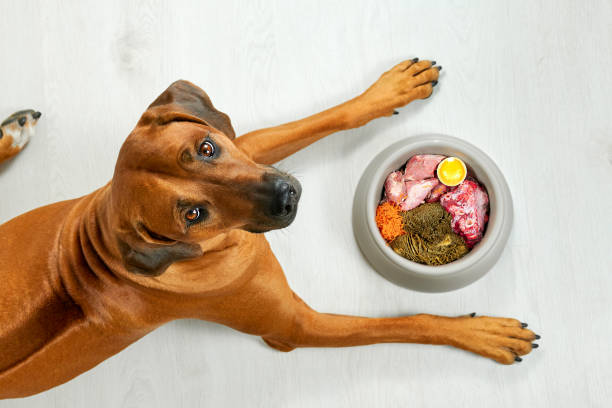
Switching to homemade dog food allows you to use fresh ingredients, which can improve digestion, boost the immune system, and give your fresh pet a healthier coat. You have full control over what goes into their bowl, avoiding fillers and ensuring they get the essential nutrients they need.
Are there common mistakes to avoid when making homemade meals for dogs?
A common mistake dog owners make is creating an unbalanced diet, often one lacking enough calcium. Other pitfalls include not considering potential food allergies, using unsafe ingredients, or an improper cooking process that destroys nutrients. Always follow a vet-approved recipe to avoid these issues.
Can I customize these recipes for dogs with allergies or sensitivities?
Yes, you can absolutely customize these recipes. If your dog has known food allergies, you can swap the protein source in the original recipe (e.g., use lamb instead of chicken). Making your own dog food is ideal for a very picky eater or a dog with specific needs.

This one’s my favourite! Homemade food tips like these make it so much easier to care for pets in a healthy way. Super helpful and written so nicely 🐾❤️
Thank you so much! Glad you found it helpful. Homemade food really does make a difference in keeping our pups both happy and healthy. More such tips coming soon – stay tuned!