

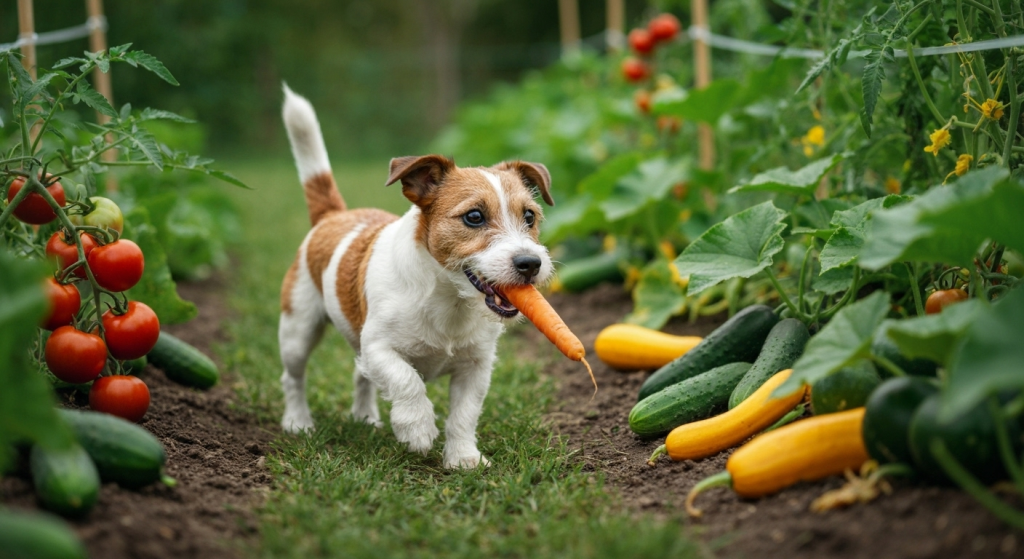
Key Highlights
- Many vegetables offer significant health benefits for your dog, acting as a healthy food source.
- Safe vegetables like carrots and green beans can improve digestive health and boost the immune system.
- Adding veggies to your dog’s diet provides great nutritional value with vitamins and fiber.
- Always introduce new vegetables in small amounts to monitor your dog’s reaction.
- While many veggies are a great treat, some, like onions and garlic, are toxic and must be avoided.
- Proper preparation, like steaming and chopping, ensures vegetables are safe and easy to digest.
Introduction
Have you ever wondered if you can share your favorite vegetables with your furry friend? While a dog’s diet should primarily consist of high-quality dog food, adding certain vegetables can be a fantastic way to boost their nutrition. Many veggies are part of the best vegetables for dogs, offering a healthy food option that supports digestion and immunity. Used as an occasional treat, they can add variety and excitement to your dog’s meals while contributing to their overall well-being.
Top 10 Best Vegetables for Dogs to Eat
Incorporating vegetables into your dog’s meals is a great way to enhance their diet. These foods are an excellent source of vitamins and fiber, which support everything from immune function to a healthy digestive system. Many common vegetables you have in your kitchen can offer incredible nutritional value for your pet.
So, what are the healthiest vegetables to feed your dog? From crunchy carrots to fibrous green beans, many options are not only safe but also beneficial. Below, we explore the top 10 best vegetables that can serve as a delicious and nutritious treat for your canine companion.
1. Carrots
Carrots are a fantastic, crunchy, and tasty treat that many dogs love. Carrots are among the best vegetables for dogs because they’re rich in low in calories and particularly vitamin A, which is crucial for supporting your dog’s immune system, skin, coat, and eye health. A study even confirmed the importance of Vitamin A for growing dogs.
Beyond their nutritional content, chewing on raw carrots can act as a natural toothbrush, helping to remove plaque from your dog’s teeth. This makes them a great snack for promoting good dental hygiene. Whether you serve them raw, steamed, or boiled, carrots are a low-calorie option perfect for a reward.
When feeding carrots, always ensure they are cut into manageable, small pieces to prevent any choking risk, especially for smaller breeds. Yes, dogs can safely eat carrots, and they are one of the best and most convenient vegetable options you can offer.
2. Green Beans
Plain green beans are another safe and healthy vegetable you can share with your dog. They are a great treat because they are low in calories and high in fiber, making them an excellent choice for dogs who need help with weight management. The fiber helps them feel full without the risk of weight gain.
These vegetables are also a good source of protein and contain essential minerals like calcium and iron, plus vitamins A, C, and K. This nutrient profile supports everything from bone health to digestive health. You can serve green beans cooked or raw, but make sure they are plain, without any added salt or seasonings.
To serve them safely, chop the green beans into bite-sized pieces to prevent choking. Introducing a few green beans into your dog’s diet can be a wonderful way to add nutrients without extra calories.
3. Broccoli
Broccoli can be a nutritious addition to your dog’s diet when given correctly. The broccoli florets are packed with fiber and vitamins C, which are essential for a healthy immune system. Many dogs enjoy the crunchy texture, making it a satisfying and healthy snack.
However, moderation is key with broccoli. It contains compounds called isothiocyanates, which can cause mild to severe gastric irritation or an upset stomach if your dog eats too much. For this reason, it’s best to offer broccoli in small quantities as an occasional treat.
To prepare it, you can serve small pieces of raw or steamed broccoli. Always introduce it slowly to see how your dog’s stomach handles it. While it offers health benefits, ensuring you don’t overdo it is crucial for their comfort.
4. Pumpkin
Pumpkin is a superfood for dogs, celebrated for its incredible health benefits, especially for the digestive tract. It is an excellent source of fiber, which works wonders for both diarrhea and constipation. The soluble fiber in pumpkin absorbs excess water in the stool to firm it up, while also helping to move things along when your dog is backed up.
This versatile vegetable promotes overall gut health and is packed with essential vitamins and minerals. The benefits don’t stop there; pumpkin also contains oils that can have anti-inflammatory effects, which is great for your dog’s skin.
When adding pumpkin to your dog’s diet, always use plain, canned pumpkin, not pumpkin pie filling, which contains added sugar and spices. Start with small amounts, like one to two tablespoons mixed into their food, to let their system adjust.
5. Sweet Potatoes
Sweet potatoes are a safe and delicious vegetable that offers high nutritional value for your dog. They are a fantastic source of vitamins A, B6, and C, which help support a healthy immune system and vision. Their high fiber content also aids in maintaining a healthy digestive system.
This root vegetable is a great treat that can be served in several ways. You can steam, boil, or bake them, which makes them soft and easy for your dog to eat. Unlike regular potatoes, which contain solanine and are toxic when raw, sweet potatoes are safe to feed raw, though cooking makes them more digestible.
Because sweet potatoes are high in natural sugar, they should be given in moderation, especially to overweight or diabetic dogs. A few slices are a perfect way to let your dog enjoy this tasty and nutrient-rich vegetable.
6. Zucchini
Looking for a low-calorie, hydrating treat for your pup? Zucchini is an excellent choice. With its high water content and low calories, it’s a great snack for dogs, particularly those needing to manage their weight. Zucchini is packed with vitamins and minerals, including calcium, iron, and magnesium.
The health benefits of zucchini extend to promoting a healthy gastrointestinal tract due to its fiber content. You can serve it raw or steamed, but avoid any seasonings or dressings, which can contain harmful ingredients like garlic, onions, or xylitol.
Start by offering your dog a few slices at a time to see how they like it. Because it’s so mild, many dogs enjoy the crunchy texture. Serving it in small amounts ensures your dog gets the benefits without any digestive upset.
7. Peas
Peas, including snow peas and sugar peas, can be a wonderful, nutrient-dense addition to your dog’s diet. They are a good source of vitamin A and B, as well as minerals like potassium and magnesium. They also serve as a source of protein and contain zinc, which supports a healthy immune system and thyroid function.
These little green vegetables are low in calories, making them a perfect snack or food topper. They can support your dog’s digestive system and provide a boost of essential nutrients. When feeding peas, opt for fresh or frozen ones that have been steamed or boiled.
It’s best to avoid canned peas, as they often contain high levels of added sodium. Also, peas contain purines, so they should be avoided by dogs with kidney issues. Otherwise, a spoonful of peas is a great way to add flavor and nutrition.
8. Spinach
Dark, leafy greens like spinach are packed with health benefits for your dog. Spinach is rich in vitamins and minerals, including calcium for bone health, iron for healthy red blood cells, and vitamin K, which is crucial for blood clotting. It also supports good vision and immune function.
While spinach is nutritious, it should be given in small quantities. It is high in oxalic acid, which can interfere with the body’s ability to absorb calcium and may lead to kidney problems if consumed in very large amounts over time.
For most dogs, a small amount of steamed spinach mixed into their food is perfectly safe and beneficial. Avoid any seasonings, and introduce it slowly. When fed in moderation, spinach can be a great way to boost your dog’s nutrient intake.
9. Cucumber
Cucumbers are a fantastic, refreshing snack for dogs, especially during warmer months. Their high water content (about 96%) makes them excellent for hydration. They are also extremely low in calories, fats, and oils, making them an ideal treat for dogs on a weight management plan.
Beyond hydration, cucumbers contain vitamins C and K, which can support healthy skin and bones. They offer a satisfying crunch that many dogs find appealing, turning a simple vegetable into an exciting occasional treat.
Before serving, wash the cucumber and cut it into small, manageable slices or chunks to prevent choking. You don’t need to peel it, but be sure it’s free of any waxes or pesticides. It’s a simple, safe, and healthy way to reward your furry friend.
10. Beetroot
Beets, or beetroot, are another vegetable with impressive nutritional value for dogs. They are a great source of vitamins and essential minerals like folate and vitamin C, which contribute to a healthy immune system. The fiber in beets also promotes good digestive health.
These vibrant root vegetables are known for being rich in antioxidants, which can benefit your dog’s skin and coat. The nutrients in beets also support the health of red blood cells, contributing to overall wellness.
You can serve beets cooked and chopped into small pieces. Be aware that beets contain a pigment that can turn your dog’s urine and stool a reddish or pink color, which is harmless. If you’re looking for a nutrient-dense veggie to add to your dog’s diet, beets are a solid choice in moderation.
Health Benefits of Adding Vegetables to Your Dog’s Diet
Adding the best vegetables for dogs to your pet’s meals goes beyond just adding variety; it provides tangible health benefits. Many vegetables are packed with vitamins, minerals, and antioxidants that can boost your dog’s immune system and improve their overall wellness. Their high fiber content also plays a crucial role in maintaining a healthy digestive system.
The nutritional value found in vegetables can help with everything from weight management to fighting off illness. But how do these benefits translate into your dog’s daily life? Let’s look at how improved digestion, weight support, and a stronger immune system can make a real difference for your pet.
Improved Digestion and Gut Health
One of the most significant advantages of adding vegetables to your dog’s diet is the improvement in their digestive health. Vegetables are a great source of fiber, which is essential for regulating the digestive system. Fiber helps to firm up loose stools and can also prevent constipation by adding bulk.
This dietary fiber is key to promoting good gut health. A healthy gut microbiome is linked to better nutrient absorption, a stronger immune system, and overall vitality. By providing a healthy food source for beneficial gut bacteria, vegetables help maintain this delicate balance.
So, how much is enough? While fiber is beneficial, too much can cause digestive upset. Vegetables should only be a small part of a balanced diet. As a general rule, treats (including vegetables) should not make up more than 10% of your dog’s daily calorie intake.
Support for Weight Management
Are you looking for a healthy way to help your dog maintain a healthy weight? Vegetables are a fantastic tool. Because they are typically low in calories and fat, they make a perfect substitute for high-calorie commercial treats. This helps you reward your dog without contributing to unwanted weight gain.
Many veterinarians recommend replacing a portion of a dog’s regular food with low-calorie vegetables like green beans to help them feel full. This strategy reduces overall calorie intake while ensuring your dog doesn’t feel hungry. However, vegetables are not a significant source of protein, so they should not be fed in large quantities as a meal replacement.
Remember, balance is crucial. While vegetables can aid in weight management, your dog still needs a complete and balanced diet formulated for their needs. Use veggies as a supplement, not a staple, to keep them healthy and trim.
Boosting Immunity and Overall Wellness
Vegetables are packed with vitamins, antioxidants, and minerals that are vital for a healthy immune system. Nutrients like vitamin C and beta-carotene help fight off illness and reduce inflammation, contributing to your dog’s overall health and longevity. Some vegetables also contain beneficial fatty acids that support skin, coat, and joint health.
A strong immune system is your dog’s best defense against infections and diseases. By supplementing their diet with nutrient-rich vegetables, you are providing the building blocks for a robust immune response. This proactive approach to nutrition can lead to fewer sick days and a happier, more energetic companion.
When introducing any new food, it’s wise to watch for allergic reactions. Signs can include itchy skin, vomiting, or diarrhea. If you notice any of these symptoms after feeding a new vegetable, stop giving it and consult your veterinarian.
How to Safely Prepare Vegetables for Dogs
Proper preparation is key to making vegetables a safe and enjoyable treat for your dog. The most important step is to wash all produce thoroughly to remove pesticides and dirt. Next, always cut vegetables into small pieces to prevent a choking hazard, especially for dogs who tend to gulp their food.
Some vegetables are better for a dog’s digestive system when cooked, as the process breaks down tough fibers. Whether you choose to serve them raw or cooked depends on the vegetable and your dog’s preference. Let’s explore the best preparation methods to maximize safety and nutrition.
Raw vs Cooked Vegetables: What’s Better?
The debate between raw vs. cooked vegetables often comes down to digestibility and nutritional value. Raw vegetables, like carrots, can offer a satisfying crunch that helps clean teeth. However, some raw vegetables can be tough on a dog’s digestive system, and the nutrients may be harder for their bodies to absorb.
Cooking vegetables breaks down the cellulose, making them easier to digest and unlocking more of their nutrients. Steaming or boiling are excellent methods, but it’s important not to overcook them, as this can diminish their nutritional content. Cooked vegetables are also softer, reducing the risk of choking.
Ultimately, the best choice may vary. Some dogs might prefer the texture of raw vegetables, while others with sensitive stomachs will do better with cooked ones. A mix of both can provide a good balance.
| Preparation | Pros | Cons |
|---|---|---|
| Raw Vegetables | Retains all nutrients; good for dental health (crunchy texture). | Harder to digest; can be a choking hazard if not cut properly. |
| Cooked Vegetables | Easier to digest; nutrients are more bioavailable; softer texture. | Some nutritional value, especially water-soluble vitamins, can be lost. |
Cooking Methods: Steaming, Boiling, or Baking
When it comes to cooking methods, steaming is often considered the best option. This gentle process helps to soften vegetables while retaining most of their nutritional value. Steaming doesn’t require any oils or fats, making it a healthy choice that preserves the natural flavor and nutrients.
Boiling is another simple method, but it has a downside. When vegetables are submerged in hot water, water-soluble nutrients like vitamins C and B can leach out into the water. If you do boil vegetables, consider using the leftover water as a nutritious broth to pour over your dog’s kibble.
Baking or roasting is also a great way to prepare vegetables like sweet potatoes or pumpkin. This method can enhance their natural sweetness. No matter which method you choose, always let the vegetables cool down completely before serving them to your dog to avoid burns.
Serving Size and Frequency Guidelines
Even healthy treats should be given in moderation. Vegetables should be considered an occasional treat, not a meal replacement. The golden rule for all treats is that they should not make up more than 10% of your dog’s total daily caloric intake. This ensures their primary diet remains balanced and complete.
When introducing a new vegetable, always start with very small amounts. This allows you to monitor for any adverse reactions, such as digestive upset. If your dog tolerates it well, you can gradually offer a little more, but avoid feeding large quantities at once.
To keep things simple, follow these guidelines:
- Start Small: Begin with a teaspoon for small dogs or a tablespoon for larger dogs.
- Follow the 10% Rule: Ensure all treats, including vegetables, do not exceed 10% of their daily calories.
- Keep it Occasional: Offer vegetables a few times a week rather than every day to maintain dietary balance.
Vegetables Dogs Should Avoid and Why
While the best vegetables for dogs are highly nutritious, some unsafe vegetables like onions and garlic can be toxic. Certain toxic vegetables contain compounds that a dog’s body cannot process, leading to everything from an upset stomach to life-threatening conditions. It is crucial for every dog owner to know which people foods are dangerous. According to the American Kennel Club, some foods that are safe for humans can be harmful to dogs.
These harmful vegetables can damage the digestive tract, impact red blood cells, or even affect the nervous system. In addition to toxicity, some vegetables or their parts can pose a choking hazard. Knowing what to avoid is just as important as knowing what is safe to share. Let’s look at the specific vegetables you should never give your dog.
Toxic and Unsafe Vegetables for Dogs
Some vegetables are highly toxic to dogs and should be kept far out of their reach. The Allium family is particularly dangerous. These plants contain organosulfoxides, which can damage red blood cells and lead to anemia. If you suspect your dog has eaten any of these, contact your vet immediately, as symptoms can be delayed.
Wild mushrooms are another major risk. While some store-bought mushrooms may be safe, it’s nearly impossible to distinguish safe wild mushrooms from toxic ones. Certain varieties can cause severe illness, including liver failure, seizures, and even death. It’s safest to avoid all mushrooms to prevent a potential tragedy.
Here are some foods you should never feed your dog:
- Onions, Garlic, Chives: These can cause vomiting, diarrhea, and damage to red blood cells.
- Unripe Tomatoes & Potato Plants: They contain solanine, which can cause an upset stomach and nervous system issues.
- Wild Mushrooms: Can cause severe gastrointestinal distress, organ failure, and death.
- Macadamia Nuts: Though not a vegetable, they are often found in kitchens and are highly toxic, causing weakness, vomiting, and tremors.
Conclusion
In conclusion, incorporating the best vegetables for dogs into your dog’s diet can significantly enhance their health and well-being. From improved digestion to better weight management, the right veggies can make a world of difference in your furry friend’s life. However, it’s essential to ensure that you prepare these foods safely and are aware of which vegetables to avoid. By being mindful of your dog’s dietary needs and preferences, you can introduce them to a range of delicious and nutritious options that support their overall wellness. If you’re interested in personalized advice for your pet’s nutrition, be sure to get a free consultation with our experts!
Frequently Asked Questions
Can puppies eat the same vegetables as adult dogs?
Yes, a puppy can eat the same safe vegetables as adult dogs, but in much smaller, puppy-sized portions. Their digestive system is still developing, so introduce new foods very slowly. Ensure their primary nutrition comes from a high-quality puppy food to support their growing body and dog’s immune system.
How can I tell if my dog is allergic to a vegetable?
Signs of a food allergy or sensitivity can include an upset stomach, vomiting, diarrhea, excessive gas, or itchy skin and paws. If you notice any of these health issues after introducing a new vegetable, discontinue feeding it and consult your vet. These symptoms indicate the dog’s digestive system is reacting poorly.
Are there any signs I should watch for if my dog eats a new vegetable?
When introducing a new vegetable, watch for any changes in your dog’s behavior or digestion. Signs of a problem include an upset stomach, vomiting, diarrhea, or loss of appetite. In rare cases, severe allergic reactions can cause swelling or difficulty breathing, which requires immediate veterinary attention for their overall health.
What are the best vegetables for dogs to eat daily?
The best vegetables for dogs include carrots, green beans, zucchini, peas, and pumpkin. These are safe, nutritious, and easy to prepare.

Really helpful post! I didn’t know dogs could actually enjoy some of these veggies safely. This is such a useful guide for pet parents to keep their pups healthy.
So happy you found it useful! 🐶🥦 I was surprised myself when I first learned how many veggies are safe for dogs – now my pup loves sneaking in carrots and cucumbers!